
A roof rarely fails without warning. The issue is that the early warnings can look minor from ground level: a loose tile after high winds, a small damp patch in a bedroom, or granules collecting in a gutter. Left alone, these problems can allow water into the roof structure and turn a manageable job into a more substantial re-roof.
Knowing the signs your roof needs replacement helps homeowners, landlords and property managers make a planned decision rather than reacting to an emergency. Not every defect means the whole roof must come off. A professional inspection can distinguish between a local repair and a roof that has reached the end of its practical life.
1. Leaks keep returning after repair
An isolated leak around a chimney, valley or flashing can often be repaired effectively. But if damp patches reappear in different rooms, or a repaired leak returns after each spell of heavy rain, the problem may be wider than one failed component.
Repeated water ingress can indicate ageing underfelt, failing leadwork, cracked mortar or widespread deterioration in the roof covering. Water may travel along timbers before it becomes visible indoors, so the stain on the ceiling is not always directly below the entry point. Prompt investigation matters, particularly where insulation, electrics or plasterboard may have become wet.
2. Tiles or slates are cracked, missing or slipping
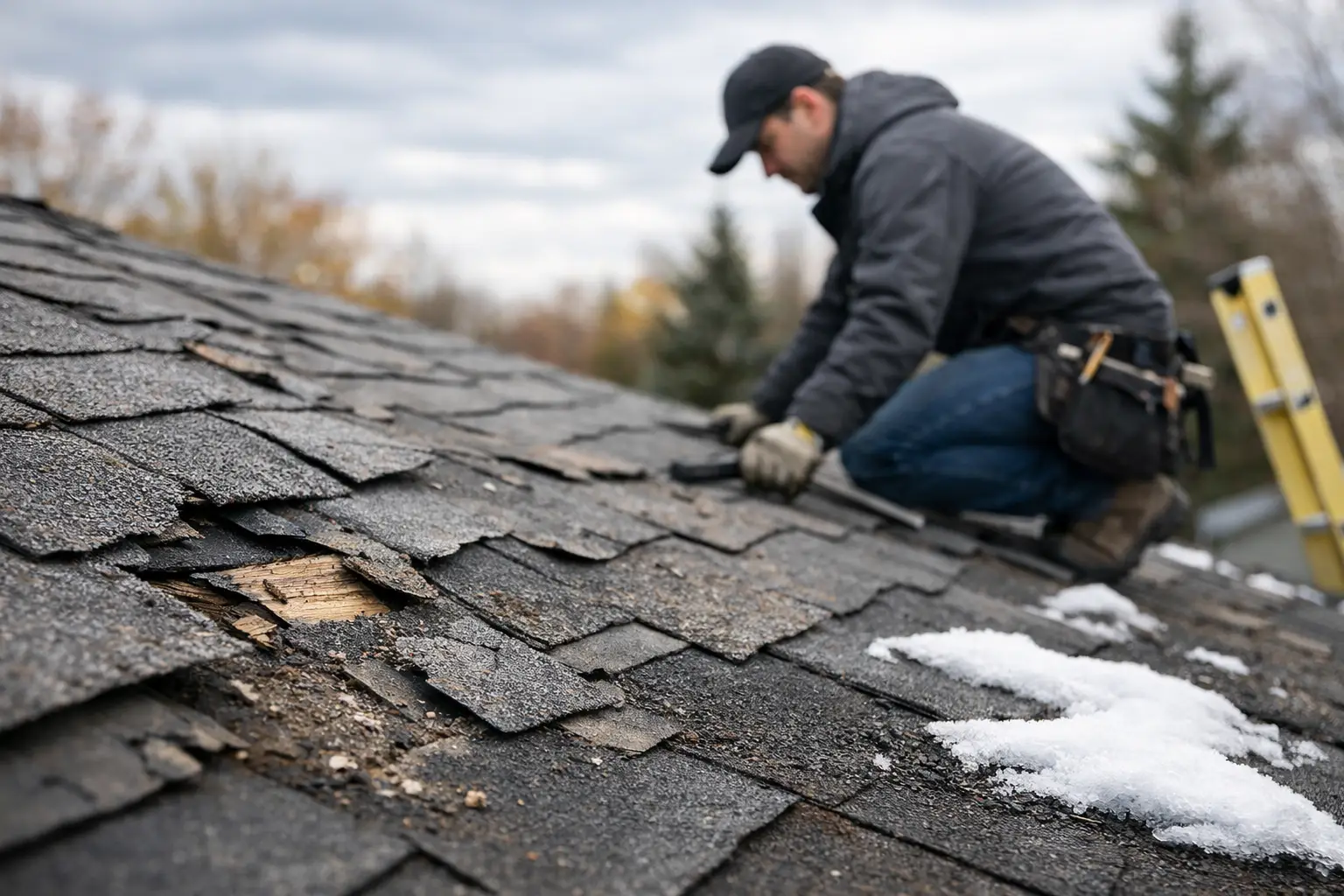
A few storm-damaged tiles can usually be replaced. However, regular tile loss, widespread cracking or slates that are slipping from their fixings are stronger indications that the covering is deteriorating across the roof.
On older slate roofs, nail corrosion can cause slates to loosen even where the slate itself still looks sound. This is sometimes called nail sickness. On tiled roofs, weathering, frost damage and aged fixings can produce similar issues. If repairs are becoming frequent, replacing isolated tiles may only delay a necessary re-roof.
3. The roofline is sagging or uneven
A roof should sit in clean, consistent lines. A visible dip along the ridge, a sag in the slope or uneven areas between rafters require prompt professional assessment. These changes can be caused by failed battens, overloaded or decayed timbers, long-term water damage or structural movement.
Sagging does not automatically mean the entire roof needs replacement, but it is not a cosmetic issue to ignore. The roof covering may need to be removed so the underlying structure can be inspected and repaired safely. If there is a sudden change after storm damage, treat it as urgent.
4. Daylight or draughts are visible in the loft
On a dry day, safely inspect the loft with the lights off. Pinpricks of daylight can reveal gaps around tiles, damaged underfelt or poorly sealed details. You may also notice draughts, damp insulation or a musty smell.
A small amount of ventilation is normal and necessary in a roof space. Visible openings through the roof covering are different. They can admit wind-driven rain, pests and cold air, while damp insulation becomes less effective and may hold moisture against timbers.
5. Moss growth is heavy and moisture is being retained
Moss on its own does not always mean a replacement is due. Many roofs develop some growth in shaded or north-facing areas. The concern is thick, established moss that holds water, lifts tile edges, blocks gutters and masks cracked or broken tiles.
Cleaning may be suitable where the tiles and fixings remain in good condition. On an older roof with brittle tiles, worn mortar and failing membrane beneath, heavy moss can be one part of a broader ageing problem. Avoid aggressive pressure washing, which can damage roof surfaces and force water beneath tiles.
6. Flashings, valleys and chimney details are failing
Roof leaks often begin at junctions rather than across the main roof slope. Leadwork around chimneys, abutments, roof windows and valleys has to accommodate movement while directing large amounts of water away from the building.
Cracked lead, lifted flashing, open mortar joints or corroded valley liners can often be repaired locally. Yet if several junctions are failing alongside aged tiles or slates, it may be more cost-effective to renew the roof covering and associated details together. A planned re-roof gives the opportunity to install sound leadwork, gutters and verge details as one properly coordinated system.
7. Your roof is near or beyond its expected service life
Roof lifespan depends on materials, installation quality, exposure and maintenance. Natural slate can last for many decades, while concrete tiles, clay tiles, felt flat roofs and modern membranes all have different life expectancies. Previous patch repairs and poor ventilation can shorten them considerably.
Age alone is not a reason to replace a roof that remains watertight and structurally sound. It does, however, put recurring defects into context. If an older roof needs ongoing attention, planning renewal before major failure can provide clearer costs, less disruption and more control over the work schedule.
8. Gutters overflow despite regular clearing
Overflowing gutters are often caused by leaves, moss or a blocked downpipe. If they have been cleared and still overflow, check whether the gutter is sagging, incorrectly aligned or receiving an unusual volume of water from damaged roof surfaces.
Persistent overflow can soak fascias, brickwork and foundations. It can also point to worn eaves details or underfelt that has deteriorated at the roof edge. Guttering should not be considered separately from the roof: both need to move rainwater safely away from the property.
9. Granules, debris or fragments are collecting below the roof
For flat roofs, loose mineral granules, splits, blisters and cracking can indicate that the waterproof surface is approaching failure. On pitched roofs, fragments of tile, slate or mortar on the ground are a clear reason to arrange an inspection.
Do not climb onto the roof to investigate. Walking on aged tiles or a weakened flat roof can create further damage and presents an obvious safety risk. A contractor can assess the condition from appropriate access and identify whether a targeted repair remains viable.
When a repair is enough and when replacement makes sense
The choice is not always straightforward. A repair is generally sensible when damage is localised, the roof has plenty of serviceable life remaining and the underlying structure is dry and sound. Replacing a few tiles, renewing lead flashing or repairing a small flat-roof section can restore protection without unnecessary expense.
Replacement becomes the stronger option when faults are widespread, leaks are recurrent, materials are brittle or the roof has been heavily patched over time. It may also be the right time to address related work such as chimney repairs, guttering, fascias and insulation access. Completing connected work together can prevent repeated scaffolding costs and reduce future disruption.
For landlords and commercial property managers, a planned condition survey is especially useful. It supports maintenance budgeting, reduces the risk of tenant disruption and provides a clear record of the building’s condition. For homeowners, it can prevent a winter storm from dictating the timing and scope of a major project.
What to do if you notice signs your roof needs replacement
Start by recording what you can see from ground level, including the location of internal damp patches and when they appear. After high winds or severe rain, check for fallen tiles, blocked gutters and water entering the loft. Keep people away from loose debris and do not attempt temporary repairs at height.
Arrange a professional inspection and ask for a clear explanation of the findings. A reliable quote should set out whether the recommendation is for repair, partial renewal or a complete re-roof, along with any chimney, leadwork or guttering work required. If water is actively entering the property, emergency protection should come first, followed by a lasting repair plan.
Armstrong Roofing & Building provides UK-wide roofing inspections, repairs and re-roofs, with free quotations, no call-out charge and 24-hour emergency response when urgent weather damage cannot wait. Acting at the first sign of deterioration gives you more options, protects the property beneath and makes it far easier to schedule the right work on your terms.