
A small rust patch around a roof screw can look harmless from the ground. After another wet winter, however, that same point can become a route for water to enter the roof structure. Knowing the signs of roof corrosion gives property owners and managers the chance to arrange targeted repairs before a minor defect develops into a leak, damaged insulation or costly internal repairs.
Roof corrosion is most common on metal roof sheets, fixings, flashings, valleys, gutters and leadwork connections. It can affect homes, outbuildings, warehouses, retail units and other commercial premises. The right response depends on the material involved, the extent of the damage and whether water has already found its way inside.
1. Rust staining on metalwork
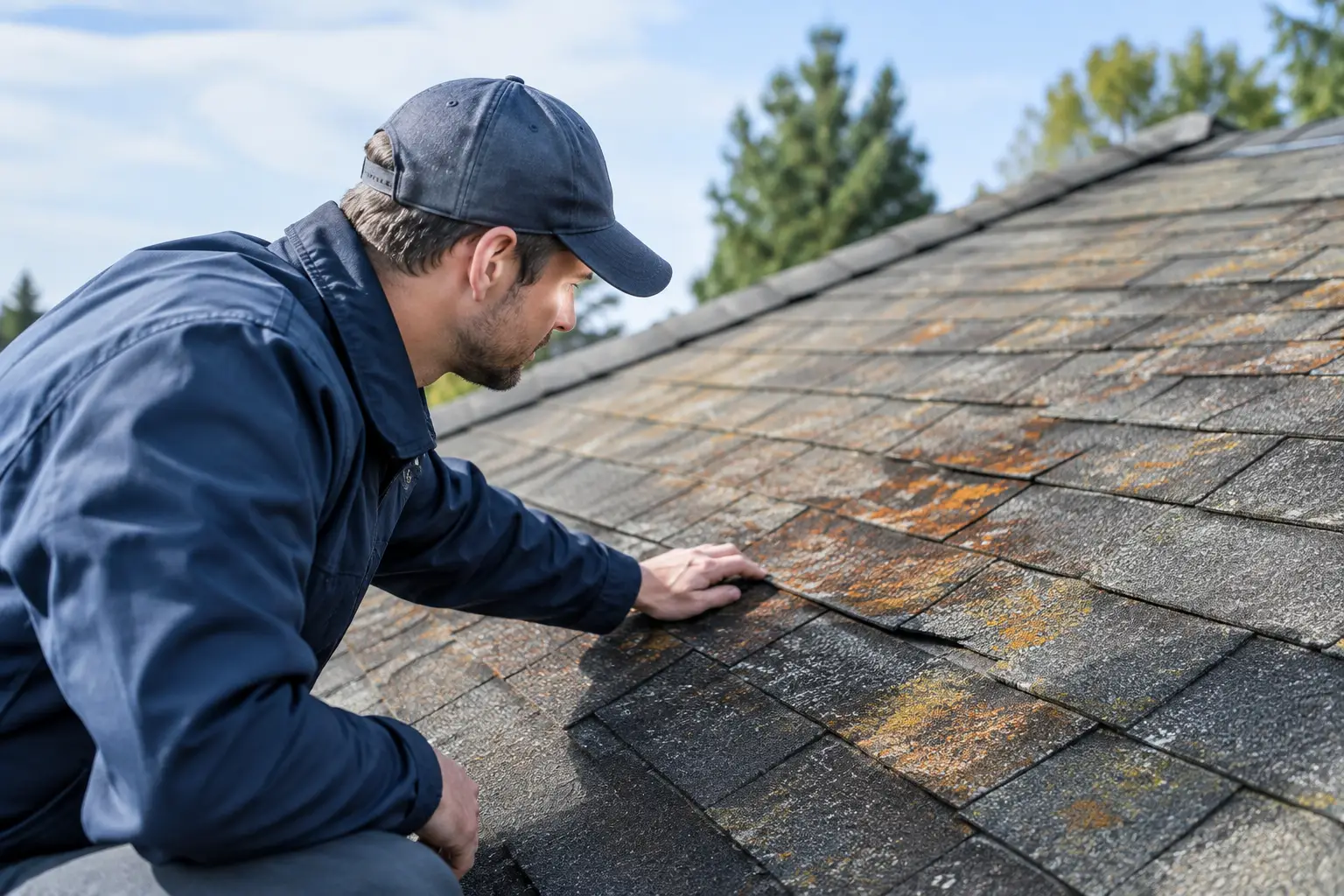
Orange-brown marks on metal roof panels, ridge sections, gutters, flashing or fixings are among the clearest early signs of roof corrosion. Staining may appear as small spots at first, particularly around screw heads, overlaps and cut edges where the protective coating has been broken.
Do not assume the stain is only cosmetic. Rust expands as it develops, lifting paint and protective finishes from the surface. This exposes more bare metal to rainwater and accelerates deterioration. On a painted steel roof, localised rust can often be treated and recoated if dealt with promptly. Once corrosion has spread beneath the coating or through the sheet, replacement may be the more dependable option.
2. Peeling paint, bubbling coatings or flaking surfaces
A roof coating is there to protect the material beneath it. If paint is peeling, blistering, cracking or flaking away, moisture may already be trapped below the surface. This is particularly common where standing water, leaf debris or poor drainage keeps an area wet for long periods.
Bubbles in a coating do not always mean the metal underneath has perforated, but they deserve investigation. A professional inspection can establish whether the issue is limited to the finish or whether corrosion is affecting the roof sheet, flashing or guttering itself. Recoating without preparing the surface properly may simply conceal a problem that continues underneath.
3. Corroded roof fixings and loose sheets
Metal roofs rely on properly sealed, secure fixings to resist wind and rain. Rusted screws, missing fasteners, degraded washers and enlarged fixing holes can all allow water into the roof build-up. You may notice panels rattling in high winds, raised sheet edges or visible gaps around fasteners.
This requires attention sooner rather than later. A loose panel can place extra strain on neighbouring fixings, and wind-driven rain can enter through even a small opening. On commercial roofs, a failed fixing can also create a safety concern around access routes, entrances or neighbouring land.
Replacing individual fixings may be sufficient where the surrounding material remains sound. If the holes have widened or the roof sheet has thinned around them, a more substantial repair may be needed to restore a reliable weather seal.
4. Pitting, pinholes and thinning metal
Corrosion does not always spread evenly across a roof. Pitting corrosion creates small, deep holes in metal, often in areas where moisture and debris collect. From ground level, these defects can be difficult to spot, yet they can cause persistent drips during heavy rain.
Pinholes are especially likely around valleys, gutter junctions, roof penetrations and old repairs. They can also develop on the underside of metal sheets where condensation has been allowed to build up over time. A leak may appear some distance from the actual hole because water can travel along rafters, purlins or insulation before becoming visible indoors.
Once metal has started to thin, patching is not always the best long-term answer. A repair can be appropriate for an isolated defect in otherwise good material. Widespread pitting usually indicates that the affected section has reached the end of its serviceable life.
5. Leaks, damp patches and mould inside the property
An internal water mark is often the sign that moves roof corrosion from a maintenance concern to an urgent repair issue. Look for brown ceiling patches, damp insulation, mould growth, peeling decoration, dripping around rooflights or water near electrical fittings.
Not every roof leak is caused by corrosion. Broken tiles, failed pointing, damaged leadwork, blocked gutters and storm damage can produce similar symptoms. That is why a proper inspection matters. Identifying the source before carrying out repairs avoids spending money on a visible symptom while the real defect remains in place.
If water is entering during rainfall, protect the area below where it is safe to do so and arrange an emergency roofing assessment. Avoid climbing onto a wet roof or attempting to seal metal sheets from a ladder. Corroded surfaces can be unstable and slippery.
6. Blocked, rusting or leaking gutters
Gutters are easy to overlook until water spills over the edge. Rusted joints, holes, sagging runs and stains down external walls can point to corrosion in older steel or cast-iron guttering. Standing water caused by leaves, moss and poor falls makes the problem worse.
Overflowing gutters can saturate fascias, soffits, masonry and the ground around a building. Over time, this may lead to damp problems that appear unrelated to the roof. Regular gutter clearance is a straightforward preventative measure, particularly beneath mature trees or after autumn leaf fall.
Where gutter corrosion is limited, a repair or sealed joint may extend its life. Heavily rusted sections or failed brackets are normally better replaced, especially where the gutter line is no longer draining correctly.
7. Damaged flashing and corrosion around roof details
The most vulnerable parts of a roof are often the junctions: around chimneys, rooflights, vents, solar installations, parapets and changes in roof level. Metal flashing and associated leadwork direct water away from these areas. If the material is split, heavily oxidised, lifting at the edges or showing rust at adjoining steel components, water can quickly get beneath the roof covering.
Different metals react differently. Lead develops a dull protective surface as it weathers, which is not the same as damaging rust. Steel flashings and fixings, by contrast, can corrode rapidly once their protective coating fails. In some cases, contact between incompatible metals can contribute to galvanic corrosion, particularly where moisture remains present.
A roofer should assess the whole detail rather than apply sealant to the visible gap alone. The lasting repair may involve renewing flashing, correcting falls, replacing fixings or addressing defects in surrounding tiles, slates or roof sheets.
What causes roof corrosion?
Rain, condensation and coastal air are common causes, but corrosion is rarely just a matter of age. Poor drainage, blocked gutters, damaged coatings, inadequate ventilation and trapped debris all increase the time that metal remains wet. Industrial pollution and salt-laden air can also speed up deterioration, particularly on exposed commercial buildings and coastal properties.
Previous repairs can play a part as well. Incorrectly fitted fixings, cut edges left unprotected, incompatible metals and poorly sealed penetrations may create local weak points. This is why a roof should be repaired as a complete weathering system, not as a collection of isolated patches.
When to call for roof repairs
Arrange a professional inspection if you can see rust spreading, coatings lifting, corroded fixings, loose sheets, gutter leaks or any evidence of water indoors. The need is more urgent if a leak is active, metal sections are lifting in wind, a gutter is at risk of falling, or water is close to electrics.
For planned maintenance, early inspection usually gives more repair options and better cost control. For active leaks or storm damage, a rapid response can limit further damage to the roof structure and interior. Armstrong Roofing & Building provides free quotations, no call-out charge and 24-hour emergency support for urgent roofing problems across the UK.
A roof does not need to be visibly failing to deserve attention. Acting when corrosion is still localised can protect the wider roof, reduce disruption and help keep a straightforward repair from becoming a full re-roof.