
A roof leak at 2am is not the moment to scroll through star ratings without a plan. Emergency roofer reviews can help you separate a genuinely responsive, skilled contractor from one that simply uses urgent wording in its advertising. The right reviews provide evidence of how a roofer behaves under pressure: whether they answer the phone, attend when promised, explain the issue clearly and leave the property watertight.
For homeowners, landlords and commercial property managers, the aim is not to find the contractor with the most reviews alone. It is to find one with relevant, recent feedback that shows dependable emergency work and proper follow-up repairs.
What emergency roofer reviews should tell you
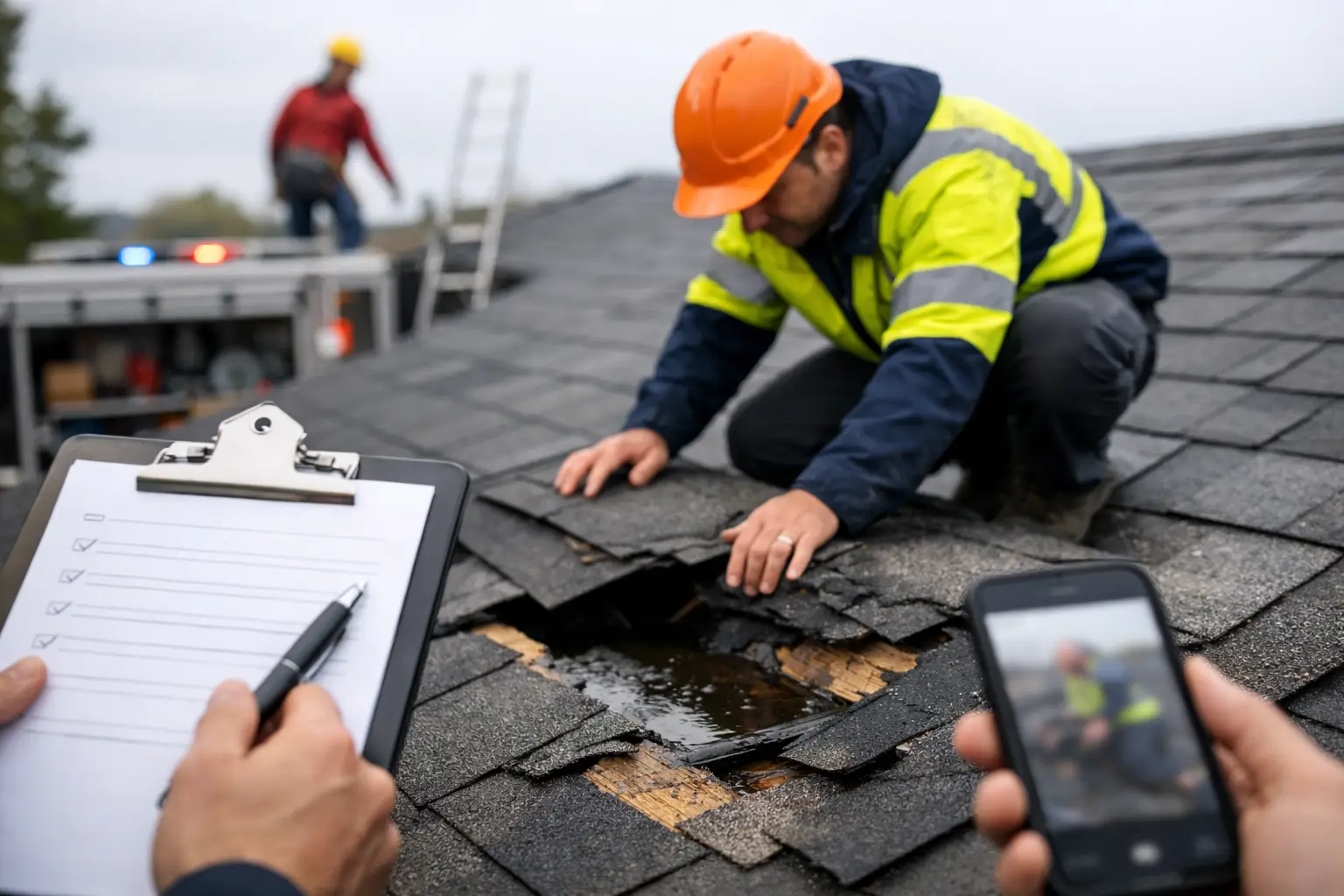
An emergency call-out is different from a planned re-roof. The immediate priority may be to stop water entering through a damaged tile, failed lead flashing, split flat roof covering or storm-damaged ridge. However, a temporary repair should not become an excuse for poor workmanship, unclear pricing or a problem that returns with the next spell of rain.
The most useful reviews describe the full customer experience. Look for comments about response time, communication, diagnosis, workmanship and the condition of the site once the work was completed. A review saying a roofer was “great” is positive, but a review explaining that a team attended after storm damage, made the roof safe, supplied photographs and returned to complete a permanent repair is far more valuable.
Pay close attention to whether customers mention the type of problem you have. If your chimney flashing is leaking, reviews about gutter clearing may not tell you much about the contractor's leadwork capability. Likewise, a business with strong feedback for complete re-roofs may still need evidence that it can handle urgent call-outs promptly.
Read beyond the overall star rating
A high average rating is reassuring, particularly when it has been built across a meaningful number of reviews. It should not be the only factor in your decision. Read a mixture of recent five-star reviews, mid-range reviews and, where present, complaints. This gives a clearer picture of how the contractor handles routine work and difficult situations.
A single negative review does not automatically rule out a roofer. Roofing work is affected by weather, hidden defects and access issues, so unexpected changes can happen. What matters is the pattern. Repeated comments about missed appointments, unexplained price increases, poor communication or leaks returning shortly after repair deserve serious attention.
In contrast, feedback that acknowledges a delay caused by unsafe weather conditions can be reasonable, provided the contractor communicated clearly and took sensible steps to protect the property. No reputable roofer should put people at risk by working on a roof in dangerous wind or lightning conditions merely to meet an unrealistic arrival promise.
Look for details that are difficult to fake
Helpful reviews tend to include practical specifics. They may refer to loose slates, broken tiles, damaged felt, leadwork around a chimney, blocked valleys, failed guttering or water ingress at a flat roof joint. They may mention a written quote, photographs of the damage or a return visit to finish work once materials arrived.
Reviews with varied wording, dates and job types are generally more useful than a series of brief, almost identical comments. It is also encouraging when feedback covers both domestic and commercial work, if you are responsible for a larger site. Property managers should look for examples of contractors coordinating access, keeping occupiers informed and completing work with minimal disruption.
Check how quickly the contractor responds
In an emergency, “fast” has to mean more than a website claim. Reviews can reveal whether callers received a response outside standard office hours, whether the team arrived within the timeframe given and whether they made the property safe before carrying out further work.
That does not always mean a full repair can be completed immediately. During severe weather, materials may be unavailable or conditions may prevent safe access. A reliable emergency roofer will explain this plainly. They should identify the immediate risk, take proportionate temporary action where it is safe to do so, and set out what is needed for the permanent repair.
Look for reviews that mention clear updates. If a roofer is delayed by a previous emergency or weather conditions, prompt communication matters. Silence leaves a customer exposed to uncertainty at the point when they most need reassurance.
Compare pricing comments with the quotation process
Roofing emergencies can make people vulnerable to pressure selling. Be cautious of reviews that repeatedly mention a price changing without explanation, demands for large payments before work begins, or a contractor refusing to provide a clear scope of work.
A good review often mentions that the customer understood what was being repaired and why. For a small job, that may be a straightforward explanation of replacing cracked tiles and renewing a section of flashing. For more extensive damage, it should include a written quotation covering labour, materials, access requirements and any recommended follow-on work.
A no call-out charge can be especially helpful when you need an inspection quickly, but always establish what is included. An emergency attendance, temporary protection and permanent repair may be separate stages. There is nothing wrong with this if the costs and reasons are explained before work progresses.
Signs of workmanship that lasts
The goal of emergency roof repair is not simply to stop a visible drip. Water can travel beneath tiles, through insulation and along timbers before appearing on a ceiling. A skilled roofer investigates the source rather than treating the most obvious symptom.
When reading reviews, look for references to a thorough inspection and a lasting repair. Customers may mention that the contractor checked adjacent tiles, valleys, ridge lines, chimney pointing, flashings or gutters rather than replacing one item and leaving connected defects behind. This broader view can prevent a second emergency call-out later.
The following review themes are particularly encouraging:
- The roofer identified the cause of the leak and explained the repair in plain language.
- The team protected the property, cleared debris and left the area tidy.
- Photographs or video were provided before and after work, particularly where roof access was limited.
- The contractor returned as agreed to complete permanent work after temporary weatherproofing.
- Customers report that the repair remained effective through later heavy rain or wind.
It depends on the age and condition of the roof whether a repair is the right answer. On an older roof with widespread slipped tiles, worn underlay and recurring leaks, several small repairs may cost more over time than a planned re-roof. Reviews that describe honest advice, rather than an immediate push towards the most expensive option, are a strong sign of professional judgement.
Questions to ask after reading reviews
Reviews should help you make a shortlist, not replace a conversation. When you call, describe what you can see, when the problem started and whether water is entering the building. Mention any storm damage, fallen debris, loose materials or electrical concerns.
Ask when the roofer can attend, whether they provide emergency make-safe work, and how they will confirm the cause of the problem. Ask for a free quotation for any further repair work and establish whether the price includes materials, waste removal and access equipment. If the roof cannot be safely inspected immediately, ask what temporary protection is appropriate and when a full inspection can take place.
For landlords and commercial clients, it is worth asking how findings will be recorded. Clear photographs, a written scope and practical maintenance recommendations can make it easier to authorise works, keep records and communicate with tenants or stakeholders.
Use reviews alongside common-sense checks
A trusted review profile is useful, but it should sit alongside basic checks. Confirm the business can provide a clear trading identity, appropriate insurance and a written quotation. Be wary of cold callers who claim to have spotted urgent roof damage from the road, especially if they demand an immediate decision.
If water is coming through the ceiling near lights or electrical fittings, keep clear of the affected area and seek appropriate electrical advice. Do not climb onto a wet, damaged or wind-affected roof yourself. Moving valuables, placing a container beneath a drip and taking photographs from a safe position can help while you arrange an emergency visit.
At Armstrong Roofing & Building Limited, a 24-hour emergency response service, free quotations and no call-out charge are designed to make the first step simpler when a roof problem cannot wait. The most reassuring review is ultimately one backed by clear communication, capable workmanship and a roof that stays secure when the weather turns again.